The Commission
Fernando Alonso had already spent time with the Valour, the limited V12 manual Aston Martin built for its anniversary. He wanted something sharper. The brief was short: take out the mass, make it more focused, more motorsport, and keep it road-legal.
What followed was not a styling exercise. Alonso worked through the things that decide how a car feels at the limit. The weight of the controls. The action of the manual shift. The aerodynamic balance. The way the driver sits, and what the driver can feel. Twenty-three years in Formula 1 sit behind those choices.
The Valiant is the most focused front-engined road car Aston Martin has built in the modern era.
Thirty-eight were made. He kept one.
A car shaped by someone who drives for a living.
The Shape
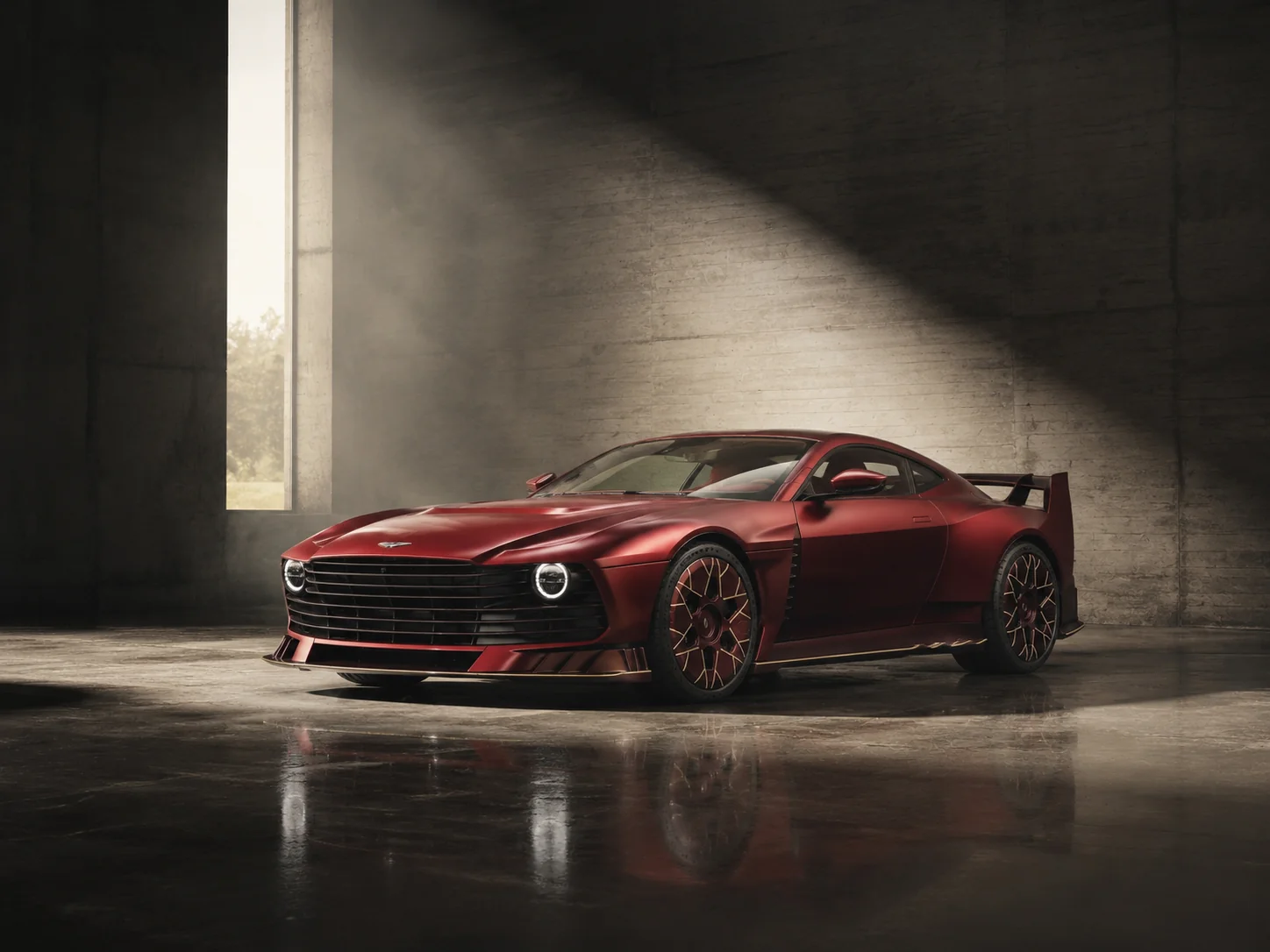
For most of its history, Aston Martin has led with restraint. Long bonnets, clean lines, beauty before aggression. The Valiant goes the other way. Its widened body, fixed rear wing and exposed aerodynamics belong to a harder, more divisive chapter of the brand: the late 1970s and 1980s, when Aston built cars that were unapologetically brutal. That language sat out of fashion for decades. The Valiant brings it back on purpose.
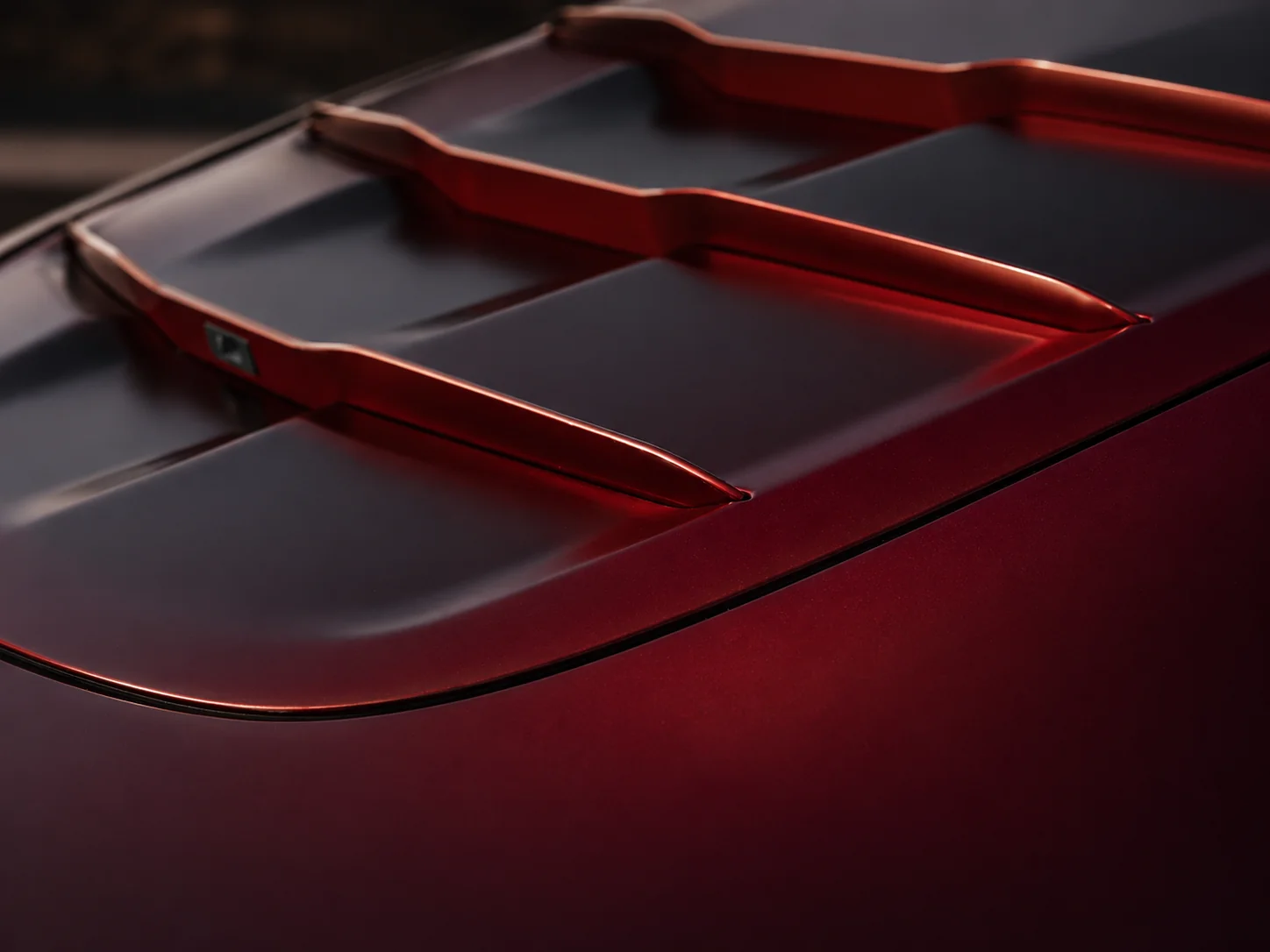
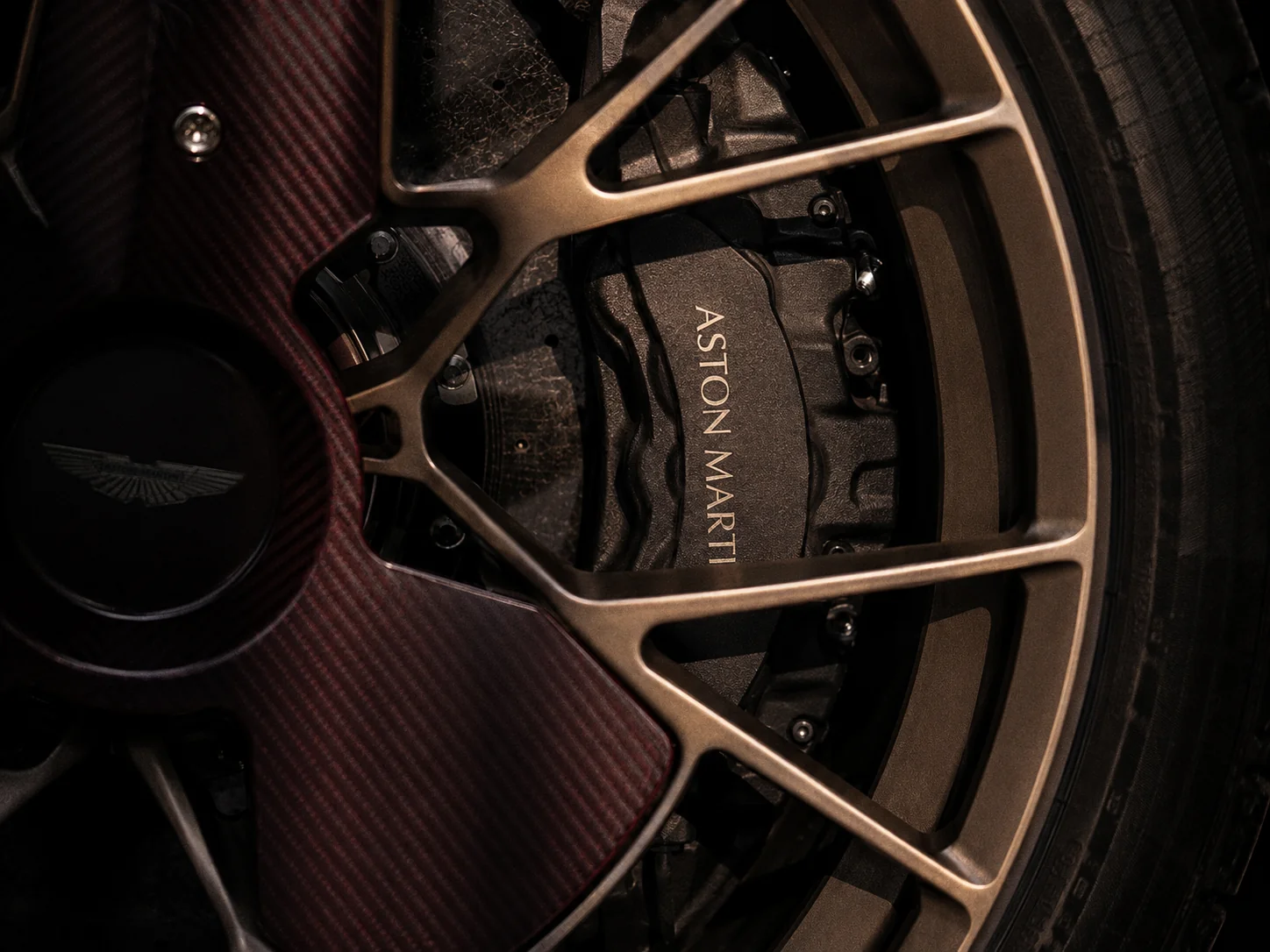
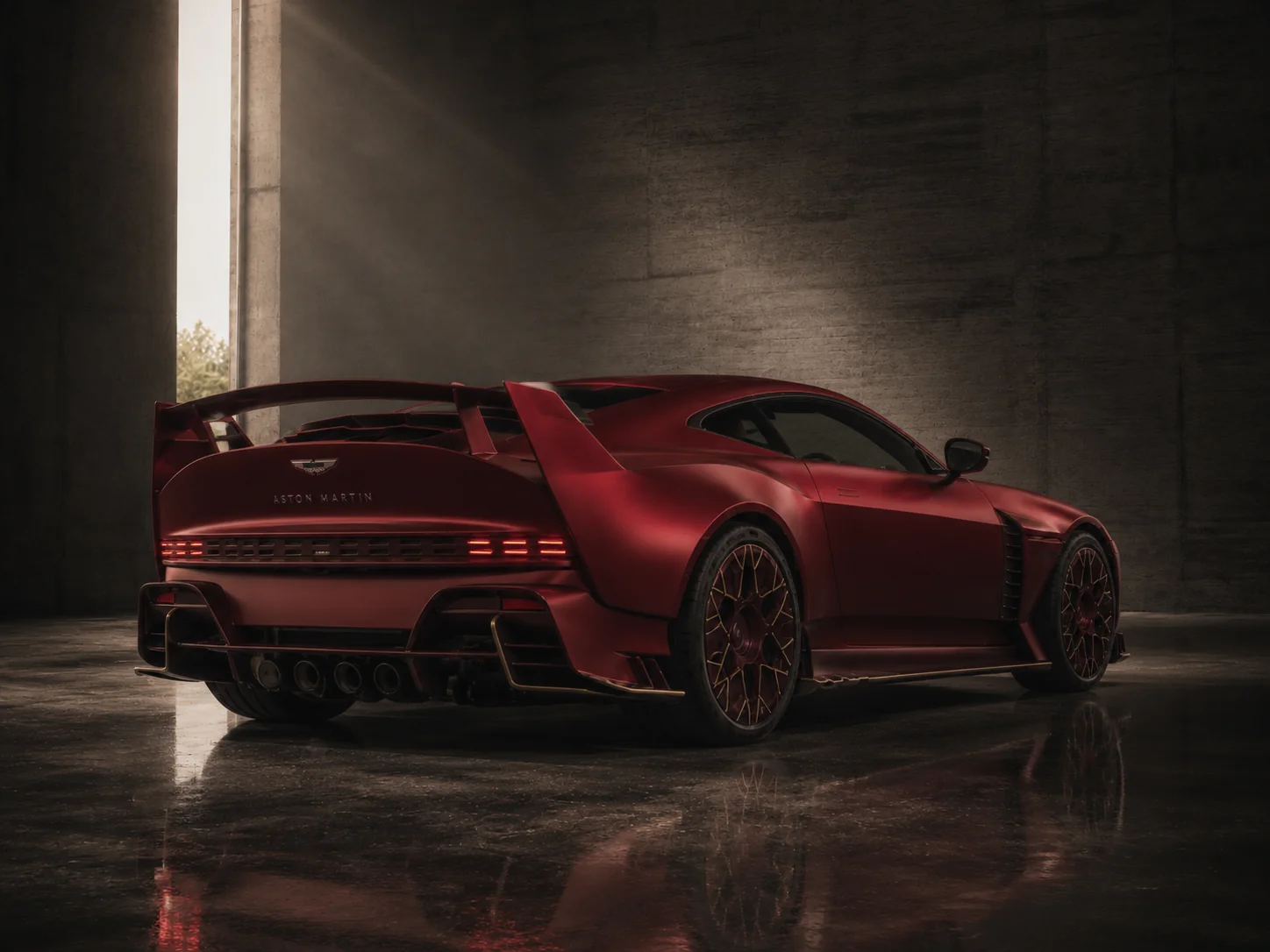
The clearest reference is the 1980 RHAM/1 "Muncher", the Le Mans racer whose wheel covers reappear here as the Valiant's aero discs. Nothing on the body is decoration. The deep front splitter pins the nose. Fences ahead of the wheels manage airflow down the flanks. The scalloped fenders, the Kamm tail and the fixed wing balance the downforce front to rear. Even the solid rear louver, known inside Aston as the armadillo, is there to work.
The result is a car that states its intentions before it moves. It is loud where modern Astons are quiet, and it asks to be judged on what it does rather than how easily it is liked.
Every inch has a reason. None of it apologises.
Hear the V12
Twelve cylinders. Quad titanium pipes.
The Machine
The 5.2-litre twin-turbo V12 makes 745 PS. Almost anywhere else, that goes to paddles. Here it runs through a six-speed manual to the rear wheels. The most powerful manual V12 Aston has built.
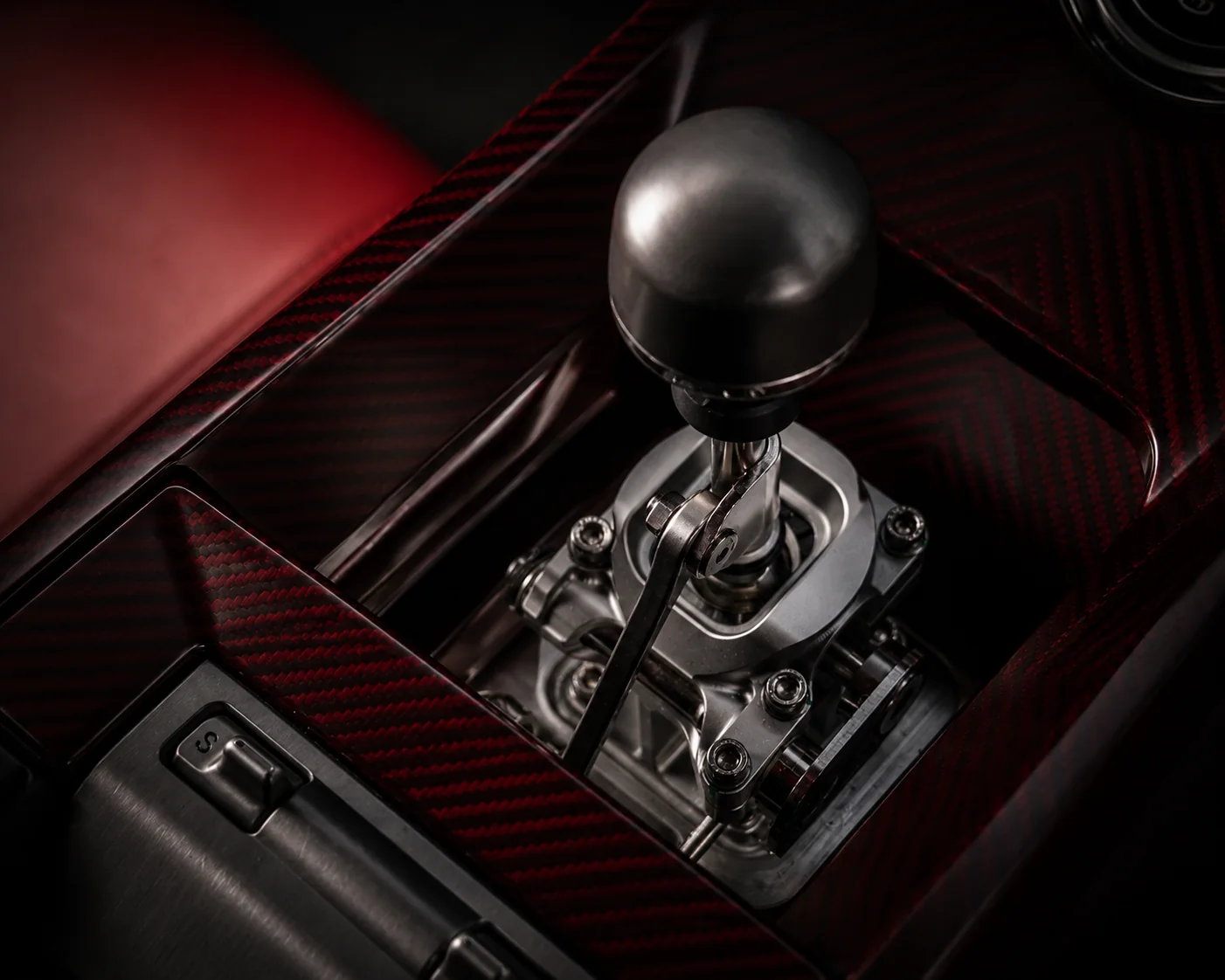
A cutaway in the tunnel leaves the linkage exposed. Multimatic adaptive dampers underneath, thirty-two settings, carbon ceramic brakes as standard.
Nothing does the job for you.
Powertrain
Chassis
Make-up
Weight is the enemy of feel
The Obsession
Most cars at this price are built by adding. The Valiant was built by taking away.
Beyond the structure: a lithium battery, a titanium exhaust, a full carbon body. Inside, less sound deadening and less trim. Nothing fitted that the driver does not need.
Lighter than the Valour it grew from. You feel it from the first corner.
The luxury here is what was left out.
This Example
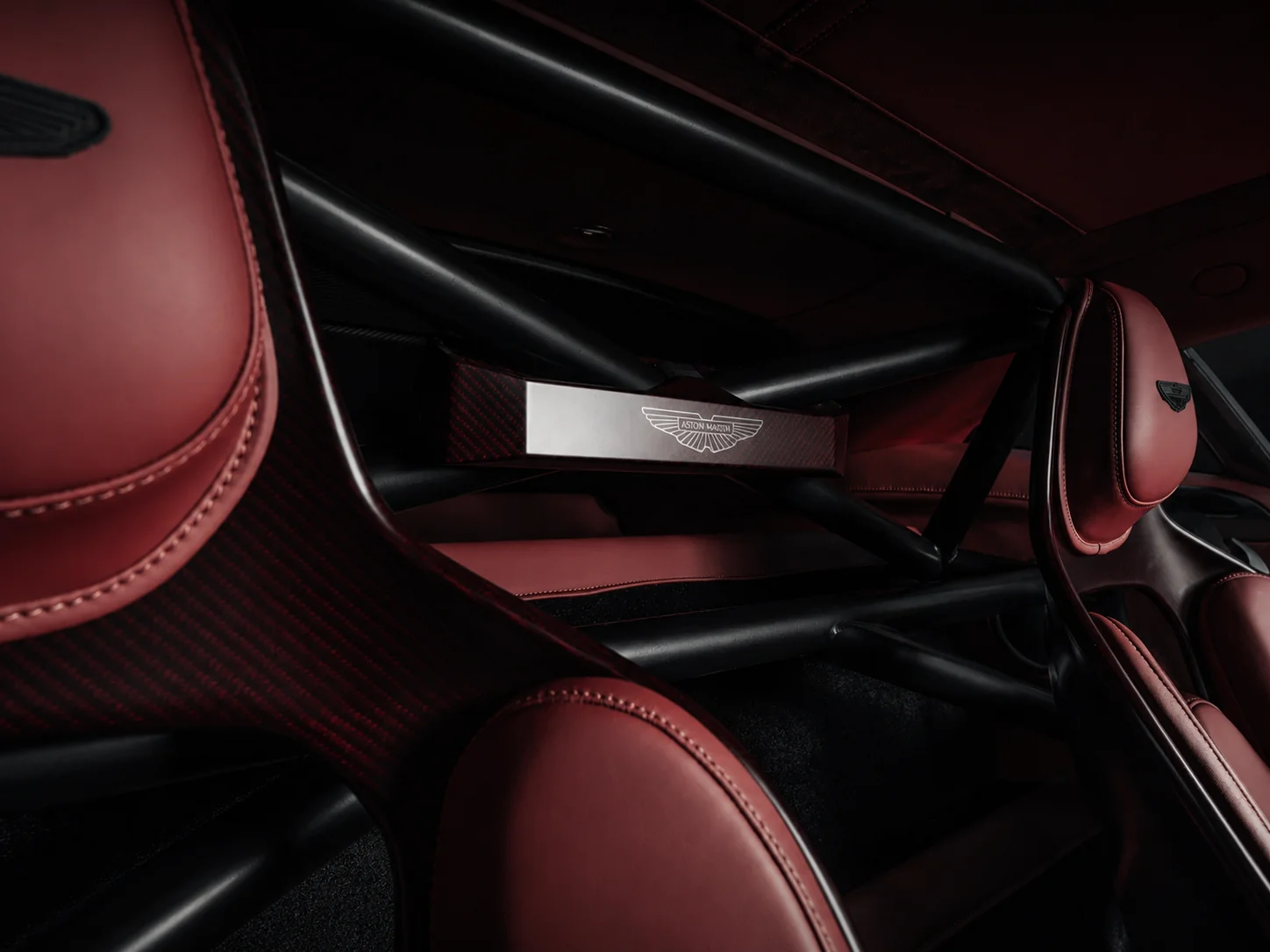
Finished by Q in Crimson Red Metallic over Chancellor Red leather, satin red carbon through the splitter, diffuser, grille and aero discs, pale gold pinstriping along the lower edge. UK supplied and registered, and effectively unused, carrying only delivery miles. Configured once, and barely moved since.
Gallery
The shape reads as aggression. Up close, every line is doing a job.
In Detail
The shape hides the engineering. Here is what it covers.
The splitter, the fences, the scalloped fenders and the fixed wing were shaped in simulation, not for effect. Each one earns its place by managing air, not by looking fast.
A cutaway in the transmission tunnel leaves the linkage exposed. The mechanism that moves when you change gear stays in plain sight, where most cars hide it.
Carbon ceramic discs at every corner, and Multimatic adaptive dampers moving through thirty-two settings. The control to use all of the V12, and to keep using it.
A two-seat carbon shell with a half-cage, race-derived seats and harness points. Stripped of weight, built around the driver, finished to Q standard. Exact seat specification verified on viewing.
Acquisition
Every one is allocated. This one is available now, by private arrangement, with worldwide delivery and every enquiry handled directly and in confidence.